Chatwin Building Workspace
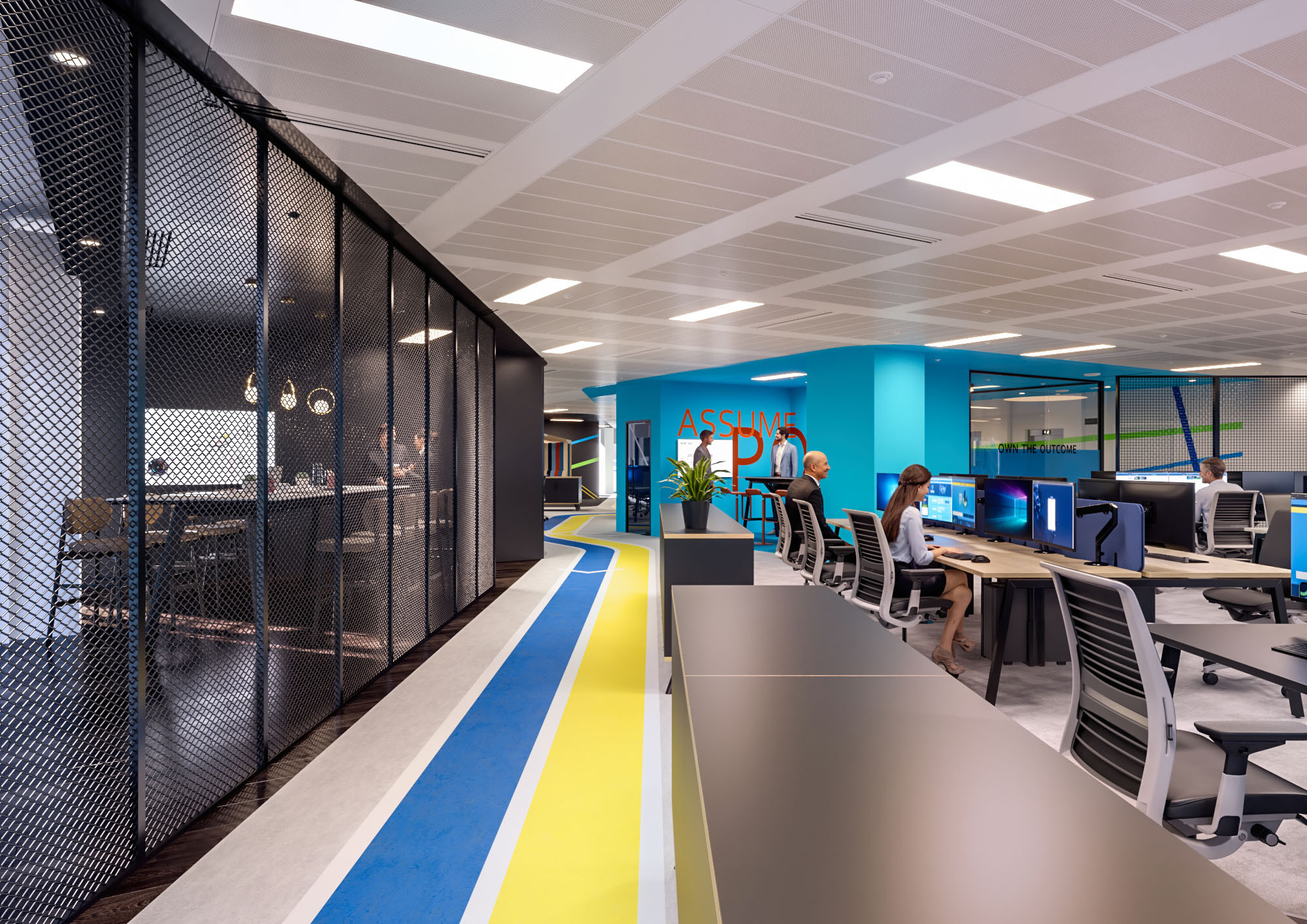
The Chatwin Building project introduces a workspace where heritage structure and contemporary office design work in quiet partnership. Thirdway’s scheme embraces the building’s architectural character—tall proportions, deep reveals, expressive detailing—while pairing it with a calm, modern palette shaped for today’s workplace rhythms. Every floor carries its own nuance, yet the language stays consistent: warm materiality, softened daylight, and a layout that shifts effortlessly between focus and informal conversation.
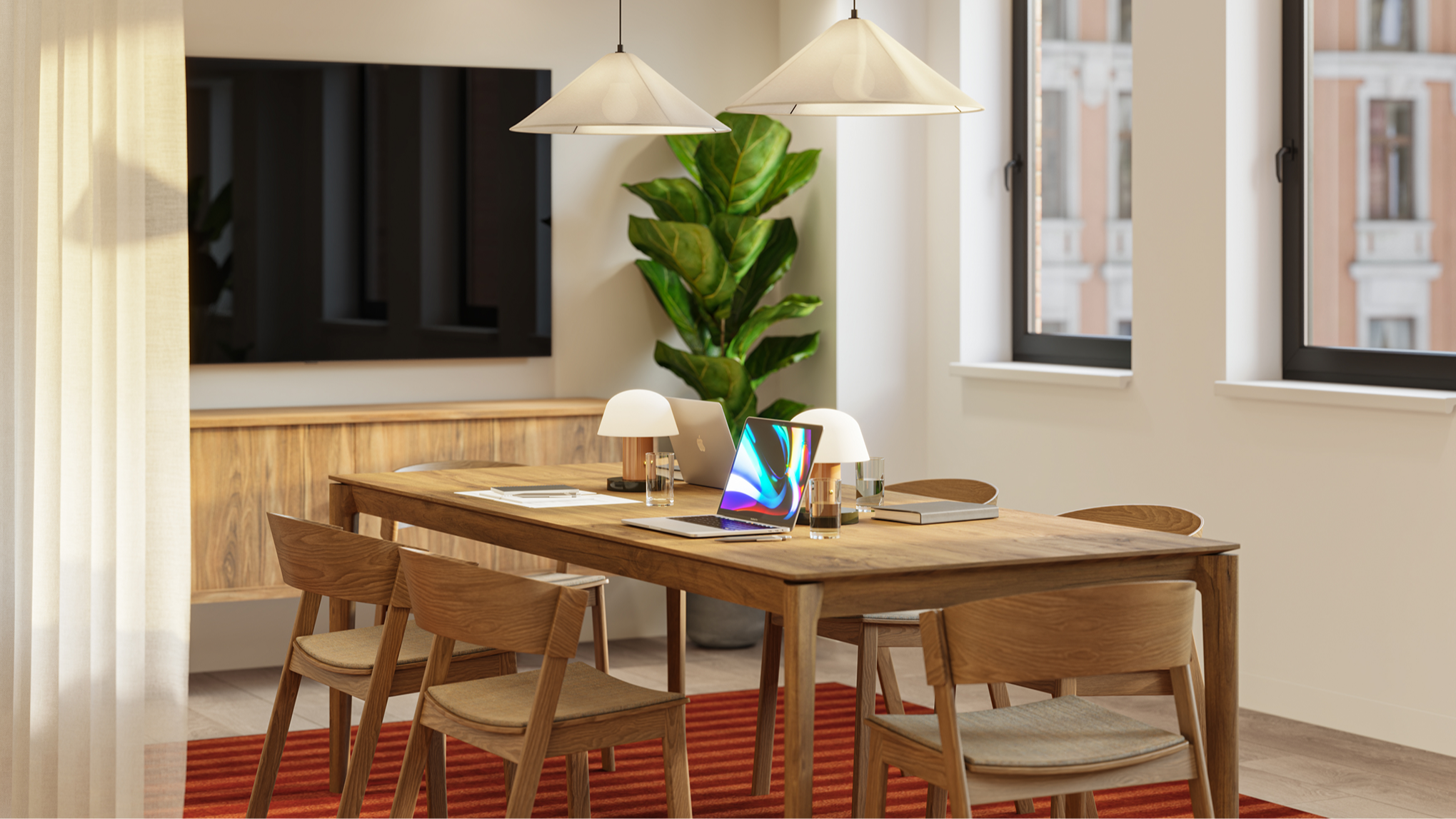
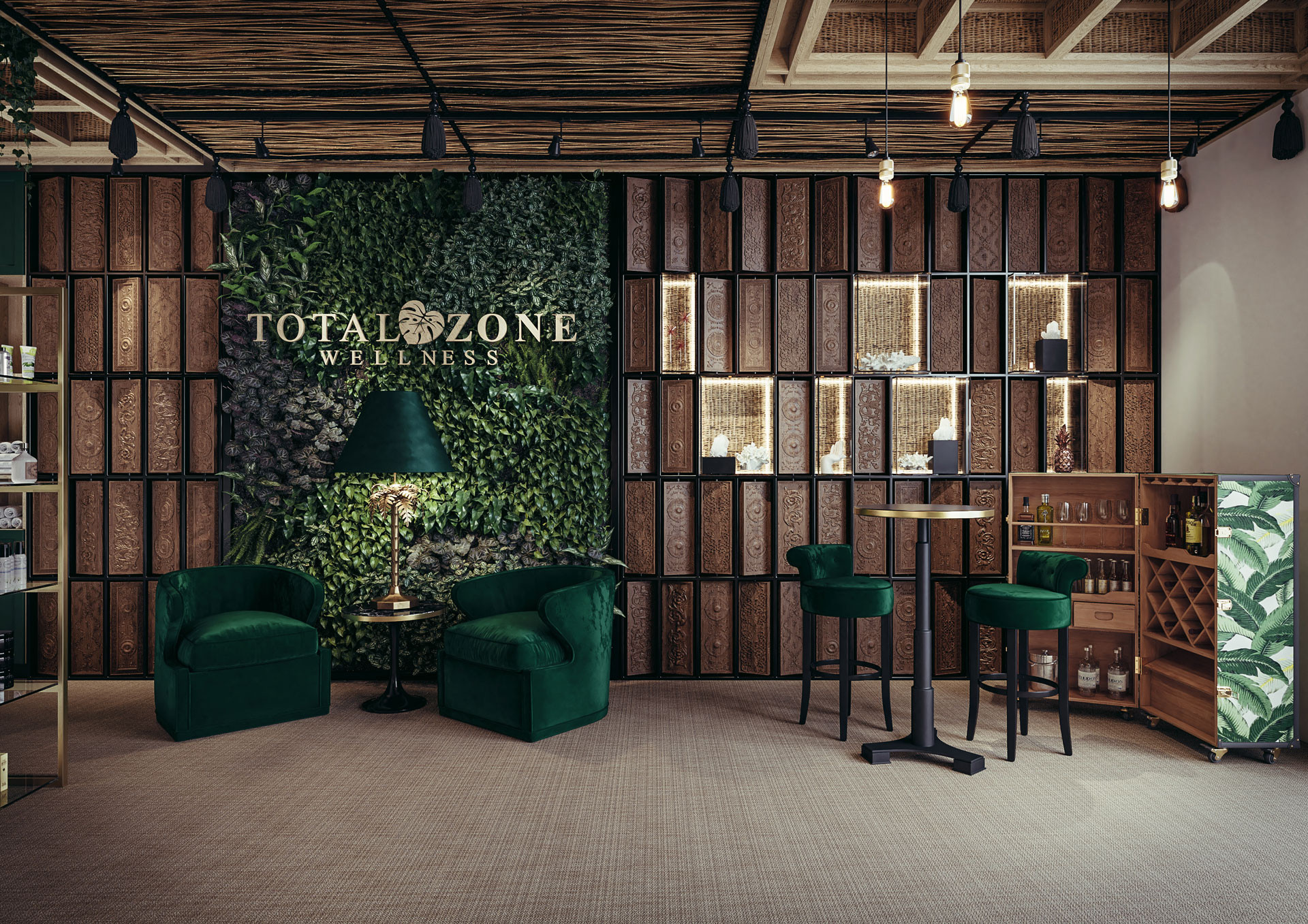
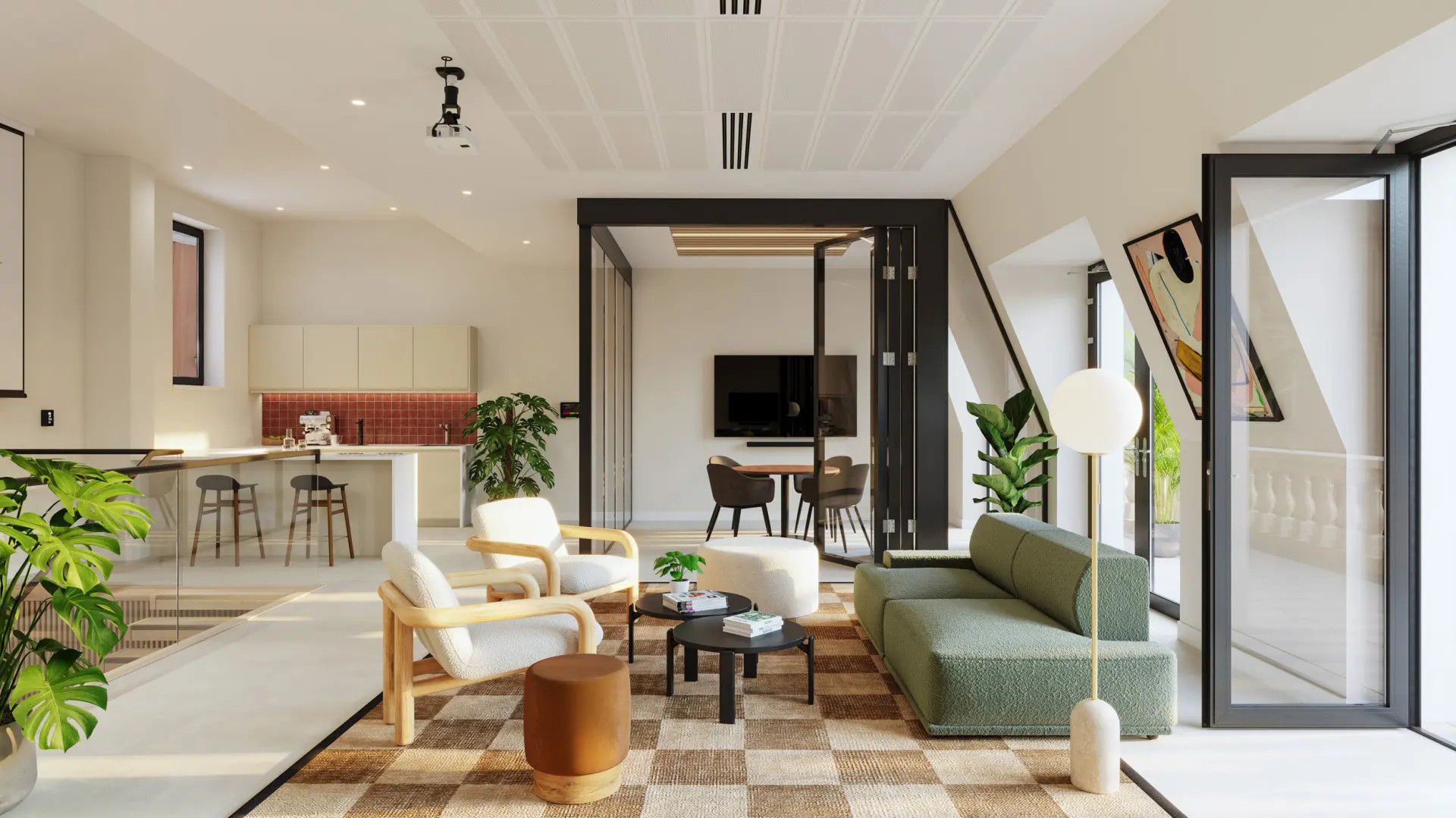
Our role was to interpret this relationship through CGI across multiple storytelling moments: wide shots that reveal the planning logic, close-ups that highlight texture and craftsmanship, and day–night transitions that show how the space adapts as the building moves from morning energy to evening stillness. Capturing the way light settles on timber, how mid-tones behave under changing conditions, and how the palette reads across both detailed views and full-room compositions was central to the brief.
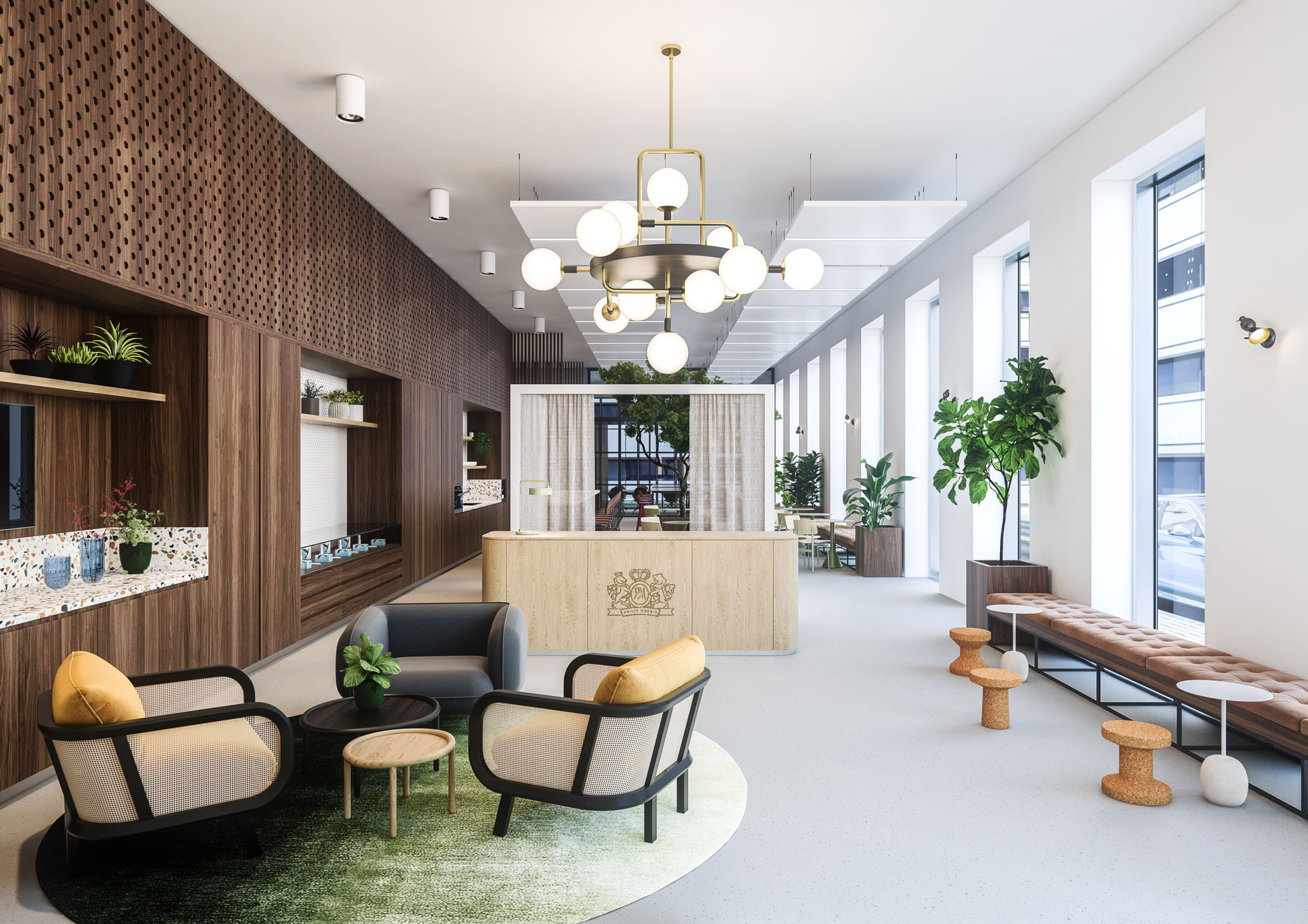
On the ground floor, golden-hour lighting opens the space gently, allowing columns, mouldings, and heritage details to read with clarity while remaining understated. Against this backdrop, richer tonal accents and contemporary furniture pieces establish a balance between past and present—an atmosphere shaped for both hospitality and reception.
On the upper levels, the visual language becomes more residential in tone. Soft mid-century influences, layered textures, and carefully scaled breakout areas bring a sense of calm to the workday. In evening scenarios, the mood shifts again: warm pools of local light deepen the colour palette, giving the space a quieter, more intimate character without losing its functional intent.
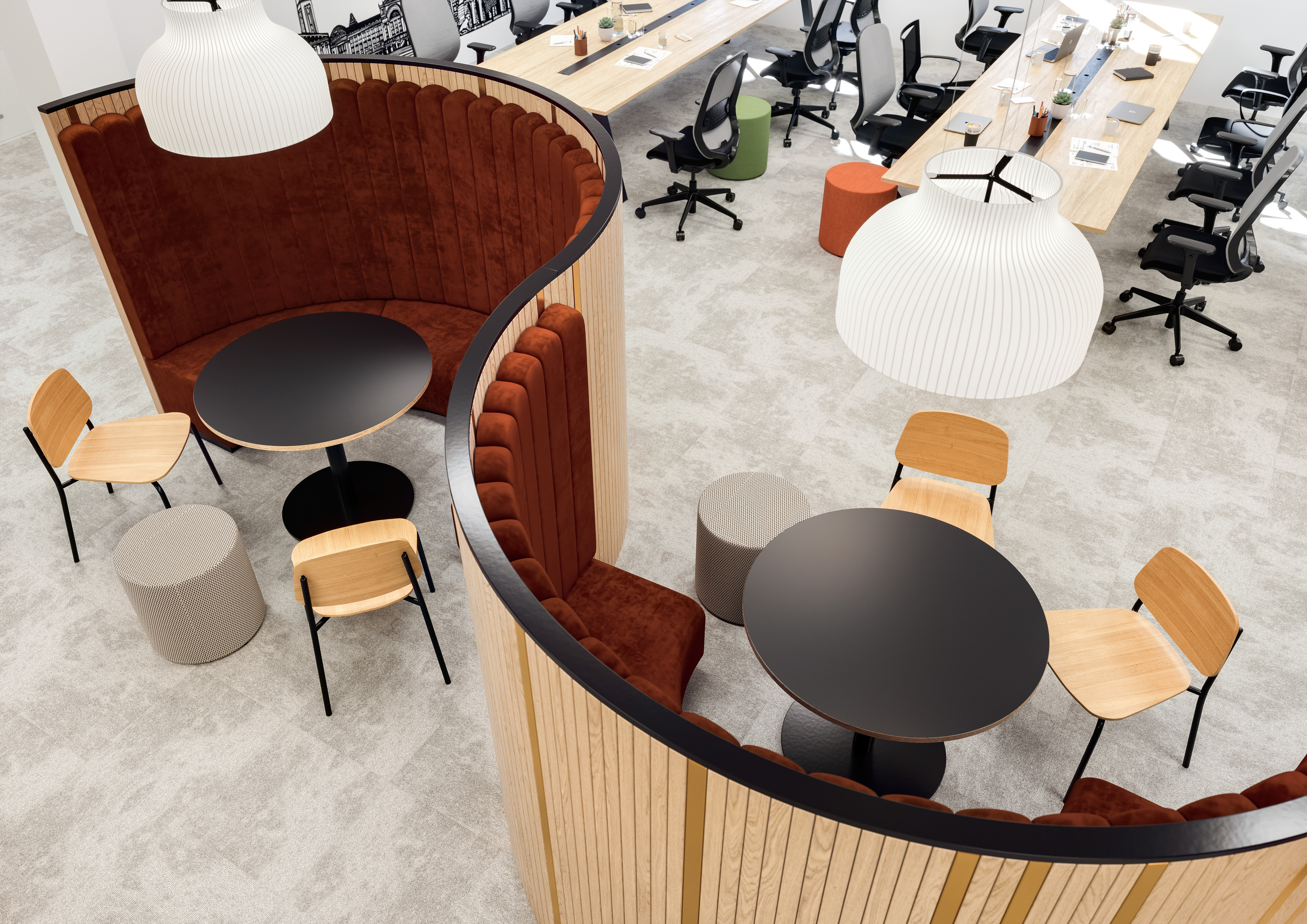
Across every camera angle—whether a wide architectural shot or a close-up of natural materials—our CGI focuses on how the environment behaves at scale: where people gather, where they pause, how circulation moves, and how each design gesture holds together across an entire floorplate. These visualisations give clients in architecture, interior design, and commercial development a clear sense of how the scheme works as a lived environment rather than a set of isolated details.
That’s why studios commission work like this. Visualization becomes a tool for understanding—helping teams align around atmosphere, design intent, and the experience of a workspace shaped with thoughtful restraint.