Double Eleven
Double Eleven’s headquarters at Boho X marked a significant moment for the studio and for Middlesbrough’s emerging digital cluster. Oktra’s brief was to create a workplace that could support a rapidly growing team while offering the type of environment that encourages people to stay, collaborate, and build community.The project combines workplace strategy, commercial interiors, and hospitality-influenced amenities across seven floors, bringing together spaces for deep focus, shared work, training, and social activity.
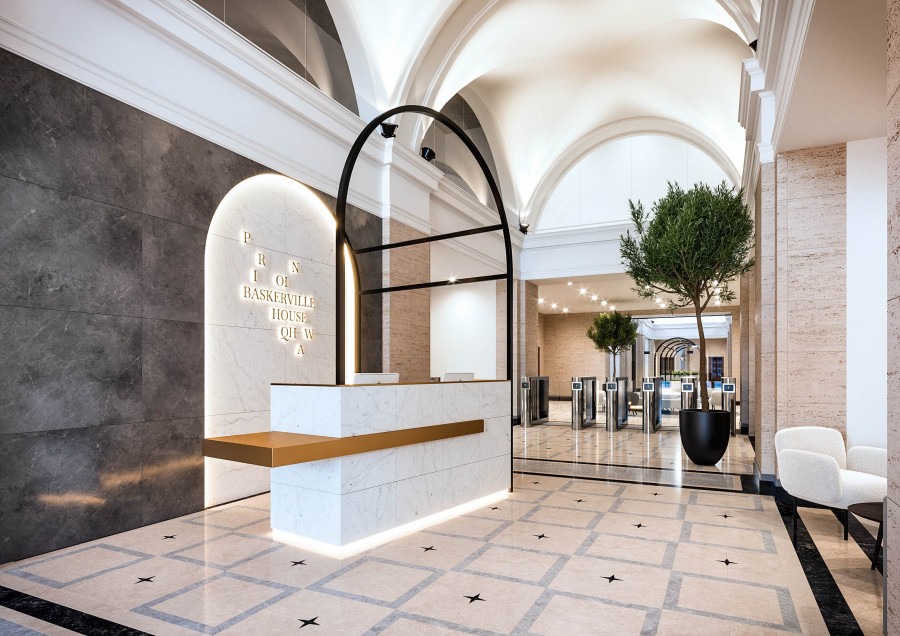
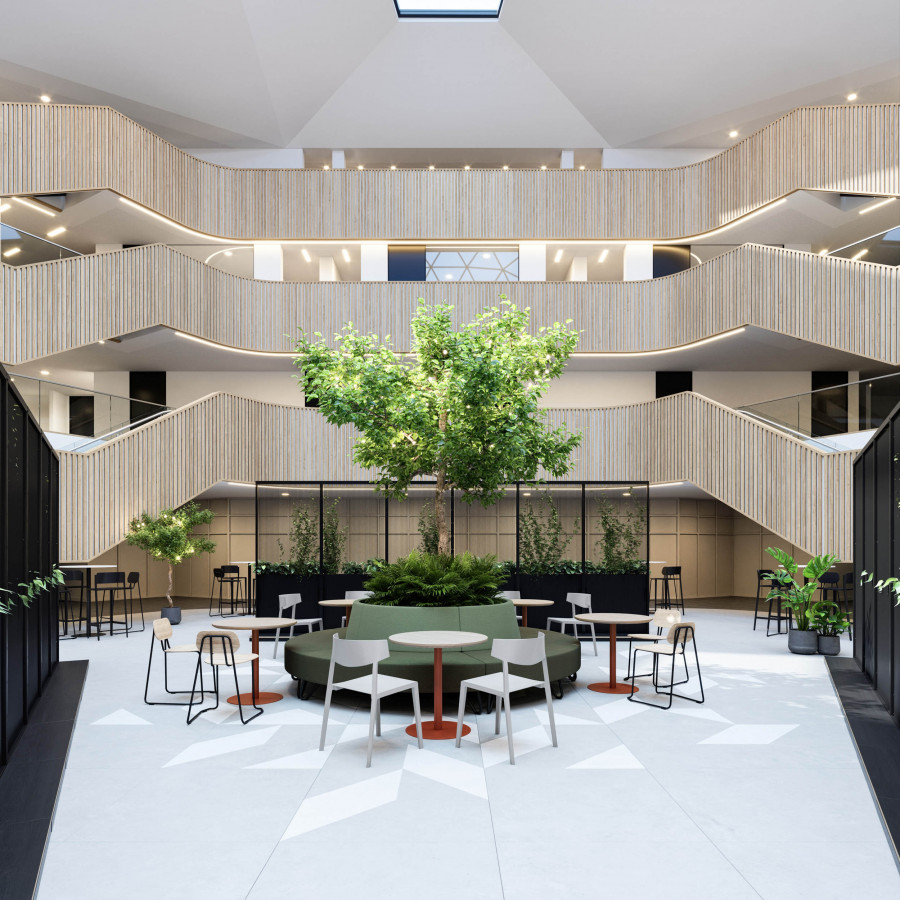
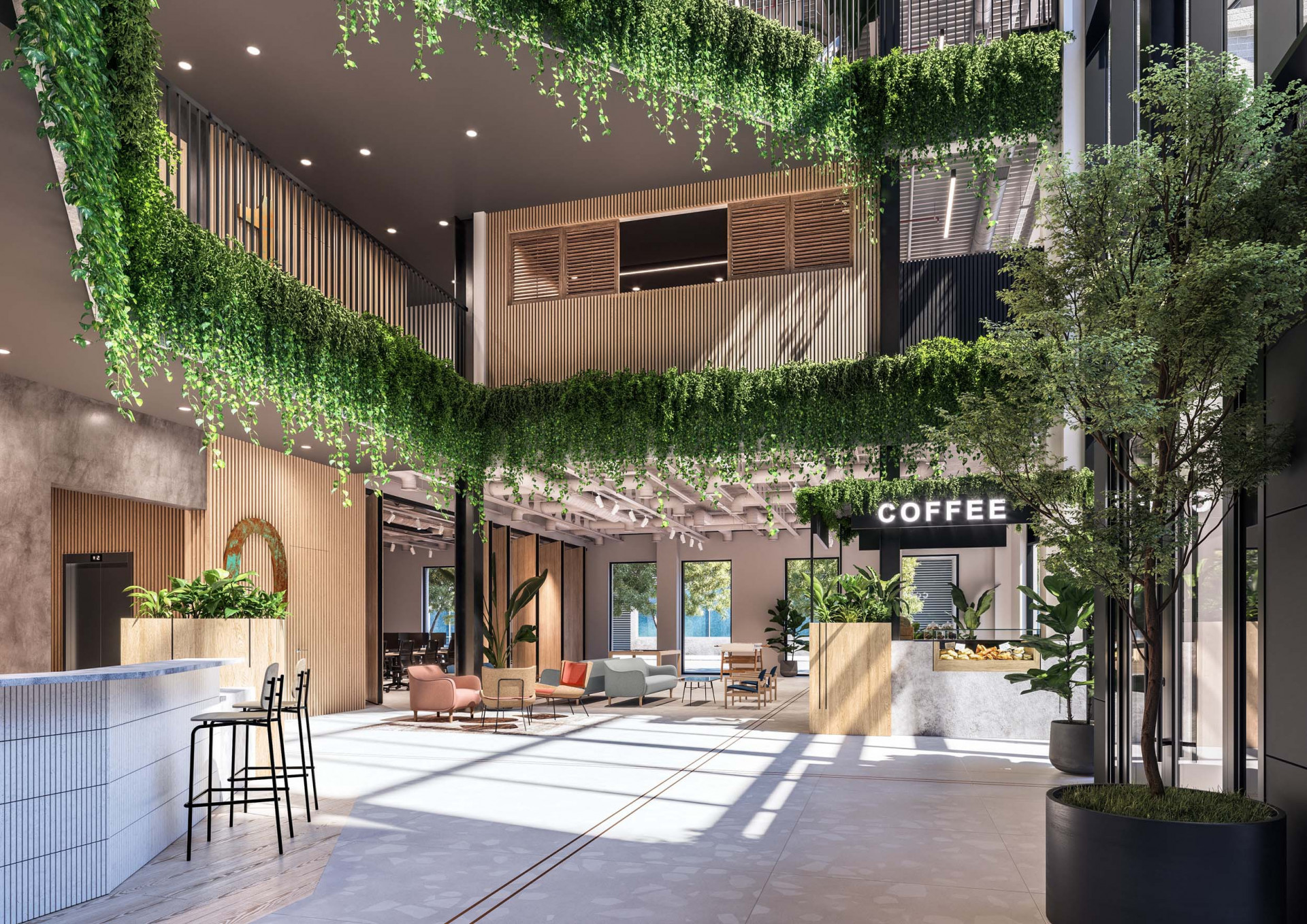
Our CGI approach centred on how these interior design decisions play out across the building. Instead of treating each floor as an isolated environment, the visualisations follow the rhythm of the project: arrival at the ground-floor café, movement through open breakout areas, the transition into meeting spaces, and the release into the terraces above. This narrative helps clients in architecture, interior design, real estate development, and design and build understand how the entire scheme flows when experienced as a single, cohesive workspace.
The rooftop levels became a key storytelling element. These outdoor areas are intended to function as an extension of the interior — places where teams gather after hours, where workshops spill outdoors, and where everyday routines shift with the seasons. Through both daytime and evening setups, the CGI shows how planting, lighting, and furniture scale support this vision. For design and build teams reviewing the project, these sequences offer a practical way to assess how the terraces operate as genuine work and social zones rather than decorative features.
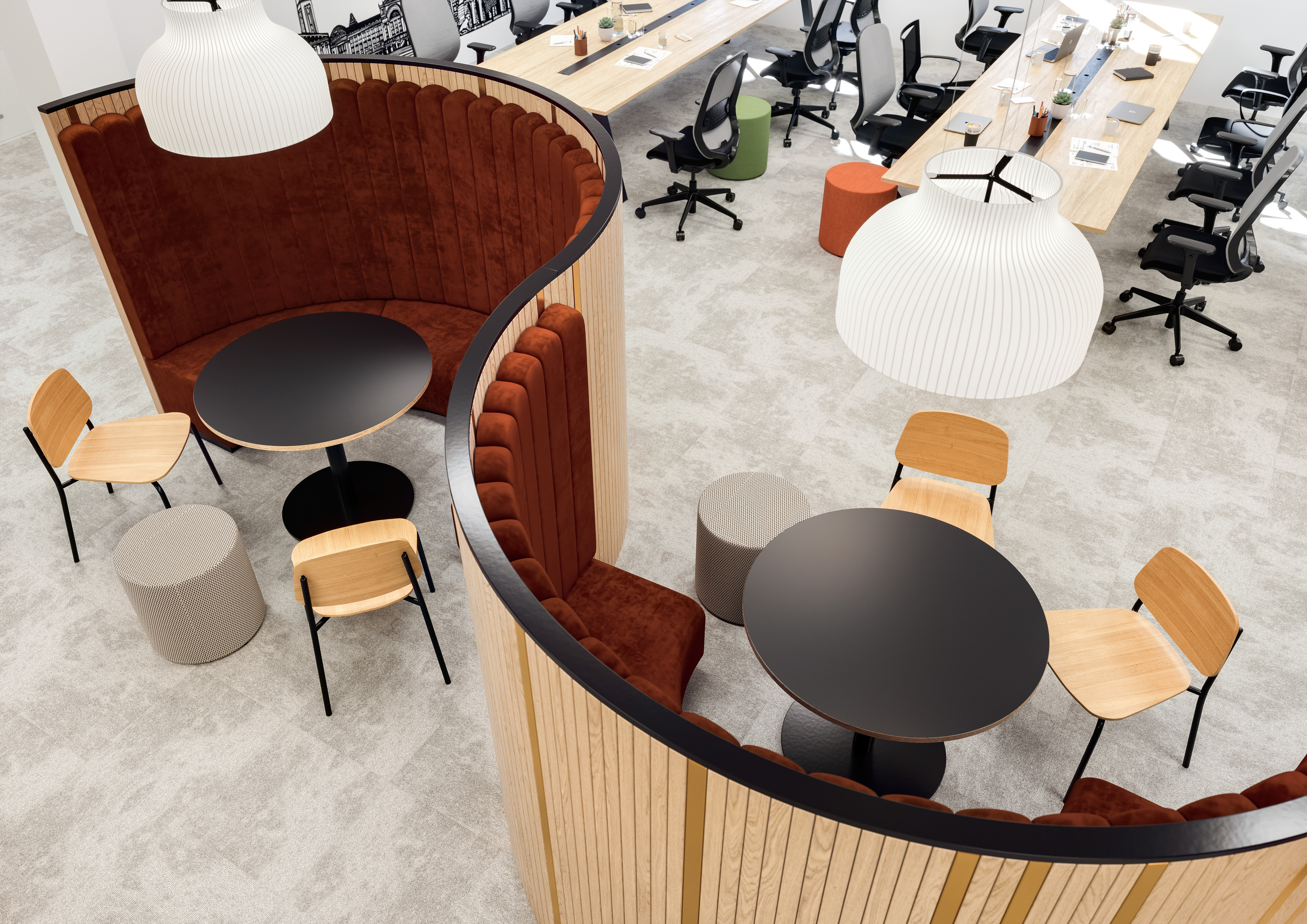
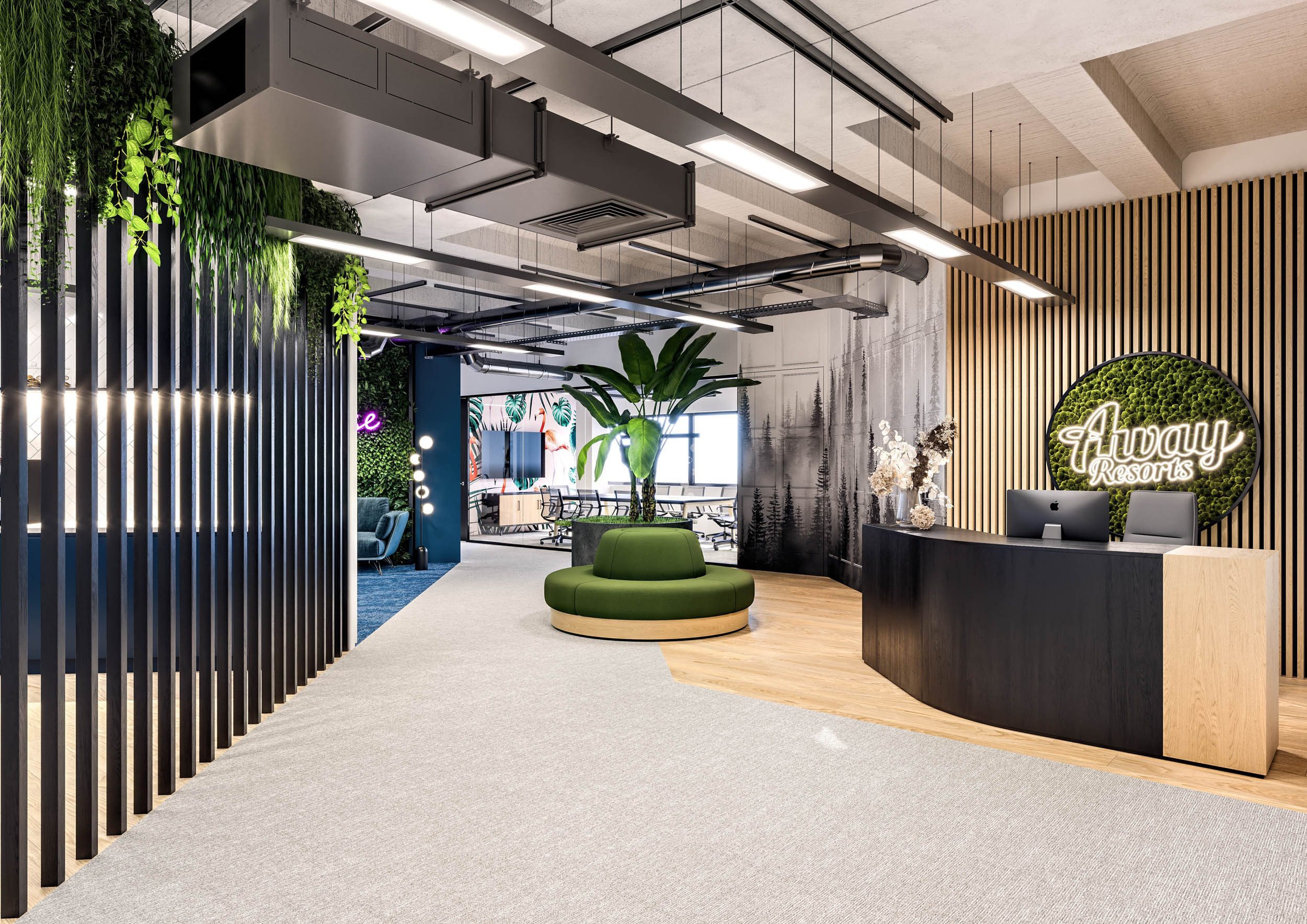
Inside the building, the visual language remains consistent: warm materials, subtle colour transitions, and layouts that support a mix of structured meeting rooms and informal lounge seating. Our imagery focuses on how these decisions behave under changing light, how textures read across different camera distances, and how circulation creates a steady flow between enclosed spaces and open collaboration areas. This level of visual testing is particularly valuable for specialists in office fit-out , workplace strategy, and commercial interior design, who rely on accurate representation of materials and proportions before build stages begin.
By visualising the project as a lived environment, the CGI supports early-stage design reviews, stakeholder presentations, and procurement discussions. For teams working within the design and build sector, this becomes a tool for navigating complex decisions: ensuring the design intent is shared across disciplines, aligning expectations between landlords and tenants, and giving project leads a clear view of how the building performs for people over time.