What Design and Build Teams Need to Know Before Starting a CGI Project
In design and build projects, CGI is rarely produced in isolation. It develops alongside live design work, consultant coordination, and evolving client requirements. In office and workspace projects especially, the effectiveness of CGI depends not only on visual quality, but on how well the process aligns with the wider programme.
From a client’s perspective, understanding what information is required, how CGI fits into parallel workflows, and what influences scope and cost helps ensure a smooth collaboration and realistic expectations.
This article outlines what a typical CGI project looks like when working with design and build teams on office and workspace environments.
The Information Required to Begin a CGI Project
Every CGI project starts with a clear and coordinated base. At minimum, this means receiving DWG drawings that reflect the agreed design direction at that stage of the project.
For design and build visualisation workflows, this typically includes:
- Basebuild drawings
- Finalised room layouts
- Confirmed floor plans reflecting zoning and circulation
- Joinery drawings (in separate sheets – for example J01, J02, etc.)
- Furniture layouts
- Lighting plans
- Planting
- Glazing and partition manifestations
These drawings allow us to establish accurate proportions and spatial relationships before introducing detailed elements. For more complex or technically developed projects, Revit models or existing 3D files may also be provided to support coordination and accuracy.
Working in Parallel With the Design Team
In most design and build projects, CGI production runs in parallel with ongoing design development.
While we establish the basebuild and spatial structure, design teams often continue refining joinery, lighting strategies, furniture selections, or material packages. By the time the CGI model is ready to receive these elements, the relevant information is typically available.
This approach allows CGI to support the project without slowing down the wider programme, keeping momentum across design, coordination, and presentation stages.
Defining Image Requirements Early
For office and workspace interior 3D projects, image requirements are usually driven by the key moments that define how the space is understood. Rather than producing a large volume of views, clients typically focus on a concise set of images representing the main areas of the project, such as:
- Reception and arrival spaces
- Teapoints or breakout areas
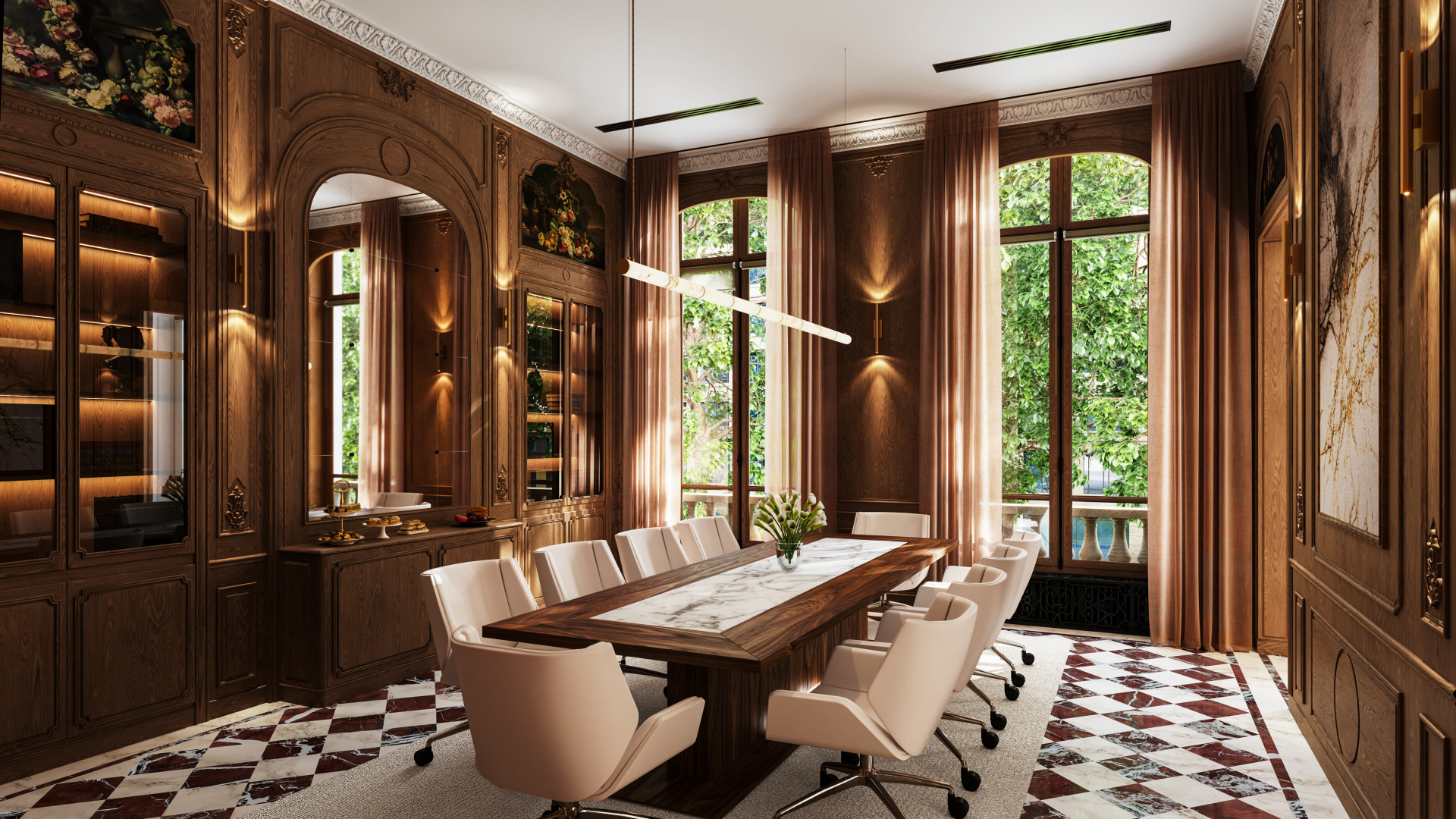
- Boardrooms or formal meeting rooms
- Lounge or informal collaboration zones
- Open working environments
- In addition to these primary views, projects often include:
- Night-time images, used to communicate lighting intent and atmosphere
- Close-up views, focusing on materials, joinery details, or bespoke elements
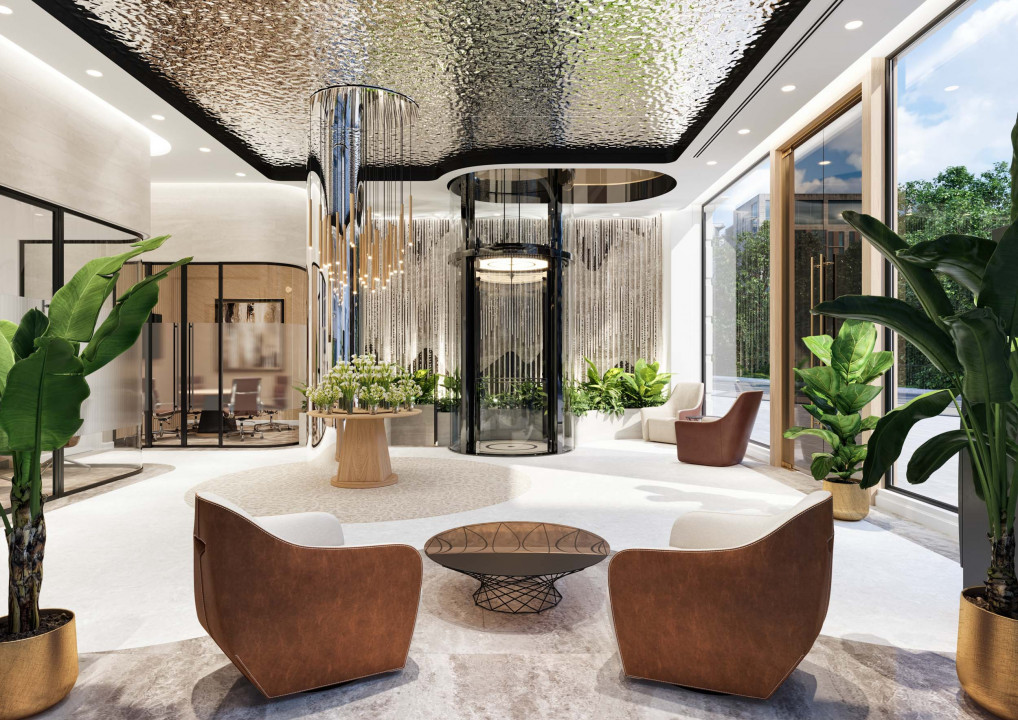
First Abu Dhabi Bank by Maris Interiors | CGI by Visioaxis
The number of images required is flexible and depends on what needs to be communicated at that stage of the project. Some spaces are effectively explained through one or two carefully selected views, while others benefit from a broader set to illustrate relationships between zones.
Where appropriate, we may suggest alternative or additional camera angles that support the narrative of the space or improve how it is read by stakeholders. The final selection of views remains guided by the client’s presentation goals.
Revisions and Design Development
Design development is an expected part of design and build projects. For this reason, our standard scope includes up to two rounds of revisions.
This allows space for feedback and adjustments while keeping the process structured and aligned with agreed objectives. Clear coordination at earlier stages helps ensure revisions remain focused and efficient.
What Influences CGI Pricing
CGI pricing varies between projects because complexity, scope, and outputs differ significantly. The primary factor influencing cost is project complexity rather than floor area alone. A smaller space with a high level of bespoke detail can require the same amount of work as a larger space with a more standardised fit-out.
Factors that influence pricing include:
- Level of detail required across the project
- Amount of custom work, such as furniture or joinery modelled from scratch
- Type and quantity of deliverables, including still images, walkthroughs, or VR experiences
- Technical complexity, particularly in large or highly serviced office environments
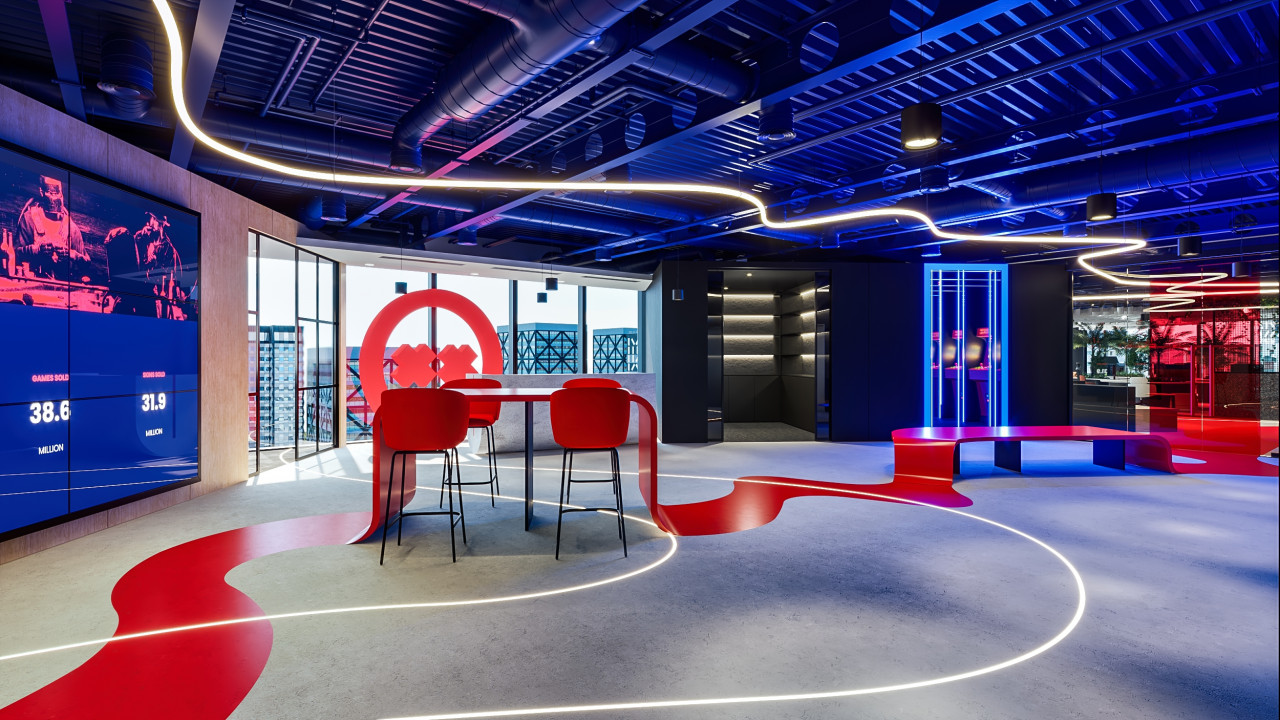
Facepunch Studios by Oktra | CGI by Visioaxis
Because of this variability, sufficient information is required at the outset to provide a project-specific quotation rather than a generic estimate.
Choosing the Right CGI Output Package
Different design and build projects require different visual outputs. Some teams need a focused set of still images to support internal reviews or approvals, while others require walkthroughs or immersive formats for broader presentations.
The choice between stills, animations, or interactive assets is driven by how the visuals will be used and who they are intended for. Defining this early helps ensure the CGI supports the project effectively at its intended stage.
A Practical Collaboration
CGI delivers the most value when integrated into the design and build workflow rather than treated as a standalone deliverable. Clear information, structured coordination, and early alignment on outputs allow visuals to support communication as designs evolve.
At Visioaxis, we work with design and build teams on office and workspace projects to ensure CGI fits naturally into live programmes, supporting informed discussion and confident presentation throughout the process.
At Visioaxis, we don’t just showcase spaces -
we help our clients communicate design intent with clarity and precision