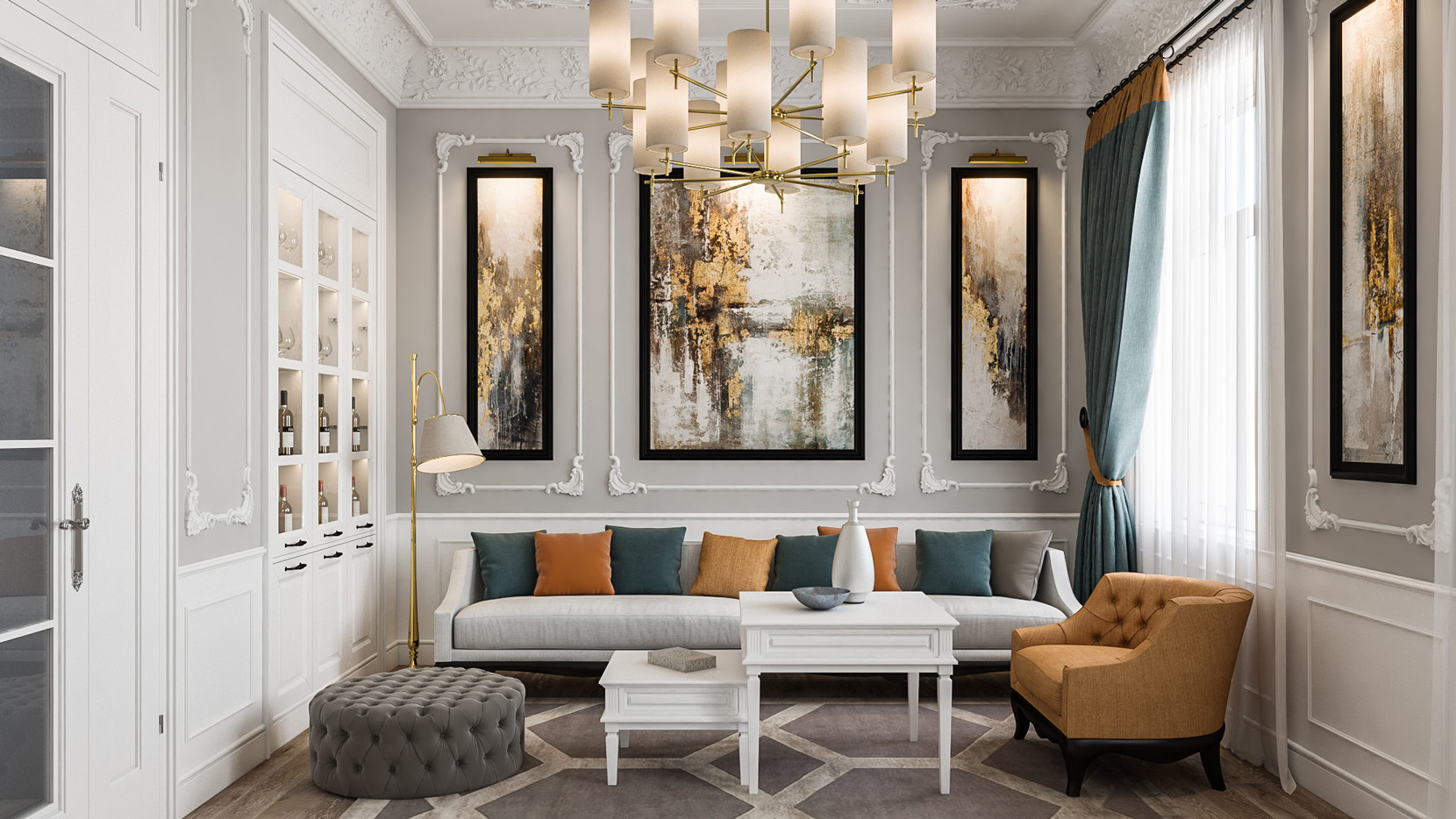
How CGI Helps Designers Communicate Small Interiors Effectively
Small interiors leave little margin for misinterpretation. Proportions, storage, lighting, and spatial relationships must work together precisely, yet these qualities are often difficult to explain through drawings alone. In compact environments, even minor misunderstandings can influence how a space is perceived, approved, or delivered.
For architects, interior designers, and design and build teams, presenting small interiors is therefore not only a design challenge, but a communication one. By supporting informed decisions and shared understanding early in the process CGI becomes not only a practical tool, but a necessity.
Why Small Interiors Are Difficult to Communicate
In reduced floor areas, every design choice carries weight. Storage elements shape circulation, reflective surfaces alter perception, and vertical emphasis changes how space is experienced. While plans and elevations describe intent, they rarely convey how these elements interact as a whole.
Clients and stakeholders are often asked to imagine how a compact interior will function and feel based on technical information alone. When space is limited, this gap between intention and interpretation becomes more pronounced.
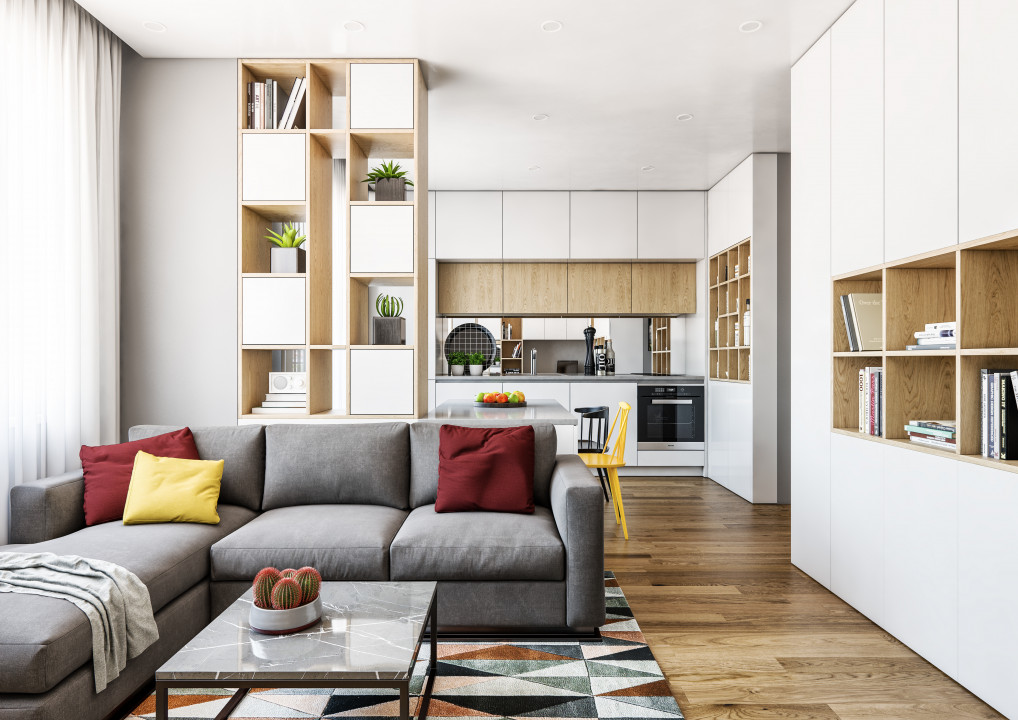
Private apartment by Studio Hi | CGI by Visioaxis
Visualising Integrated Storage in Compact Interiors
Built-in storage is a common strategy in small interiors, helping maintain visual order and preserve usable space. However, its impact depends on how seamlessly it integrates with walls, furniture, and circulation paths.
Through CGI, storage solutions can be presented in context—showing how volumes align, how sightlines are affected, and how the layout maintains balance rather than feeling congested. This allows design teams to communicate intent with confidence and evaluate options before committing to construction.
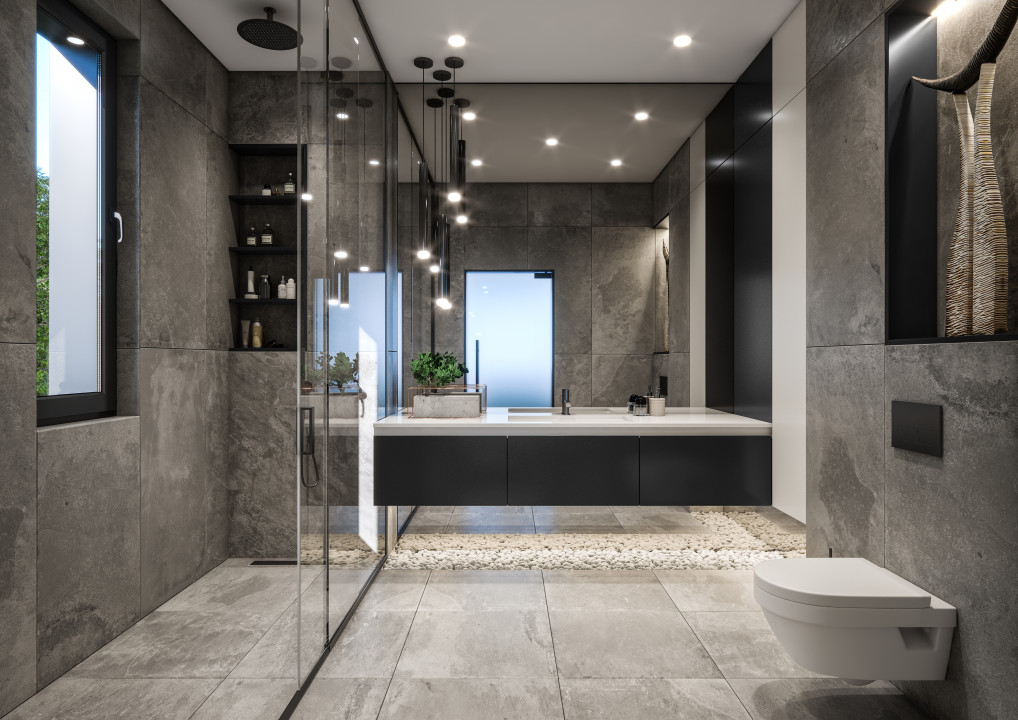
Seaside residence by Studio Hi | CGI by Visioaxis
Representing Light and Reflection in Small Spaces
Reflective surfaces, glass partitions, and high-gloss finishes are often introduced to enhance spatial perception. Their success relies on subtle interactions with light, materials, and viewing angles - factors that are difficult to assess in isolation.
CGI enables these elements to be explored as part of a complete environment. By illustrating how light behaves across surfaces and how reflections influence depth, designers can present a more accurate reading of the space and reduce uncertainty during reviews.
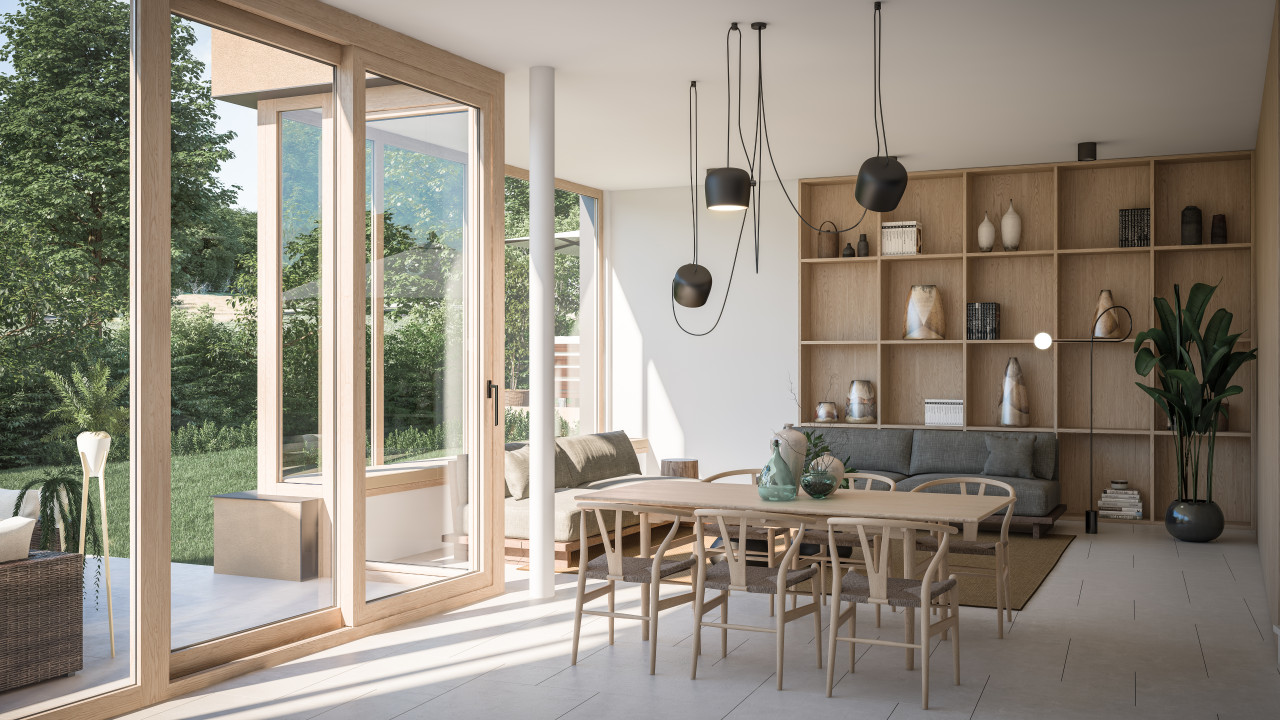
Private House by Jean Petit Architects | CGI by Visioaxis
Showing Vertical Emphasis and Spatial Depth
Vertical emphasis is frequently used to add presence to compact interiors. Lighting at varied heights, elongated details, and tall joinery can guide the eye upward and alter how proportions are perceived.
Through CGI, these vertical relationships can be communicated in a way that drawings struggle to achieve. Designers are able to demonstrate how height, rhythm, and scale work together, helping stakeholders understand spatial depth rather than interpreting elements individually.
The Role of CGI in Small-Scale Interior Projects
In small interiors, materials, reflections, and spatial relationships directly influence usability and perception. When these aspects are misunderstood, decision-making becomes slower and revisions more frequent.
At Visioaxis, we collaborate with architects, interior designers, and design and build teams to produce 3D visualizations that support accurate evaluation and effective communication. Our work focuses on representing spaces as they will be experienced, allowing compact interiors to be reviewed and presented with confidence and intent.
When space is limited, the way it is visualised often determines how well it is understood.
Explore our portfolio to see how CGI supports small-scale interior projects and helps design teams present their work with precision.
At Visioaxis, we don’t just showcase spaces -
we help our clients communicate design intent with clarity and precision