AI in Architectural and Interior Visualization: Can AI Replace Professional 3D Artists?
AI has become extremely effective for early-stage concepts and moodboards. It allows designers to explore atmosphere, colour, and general direction quickly, and in that context, it can be genuinely useful. However, professional design and build visualisation operates in a very different space - one where accuracy, logic, and precision are non-negotiable.
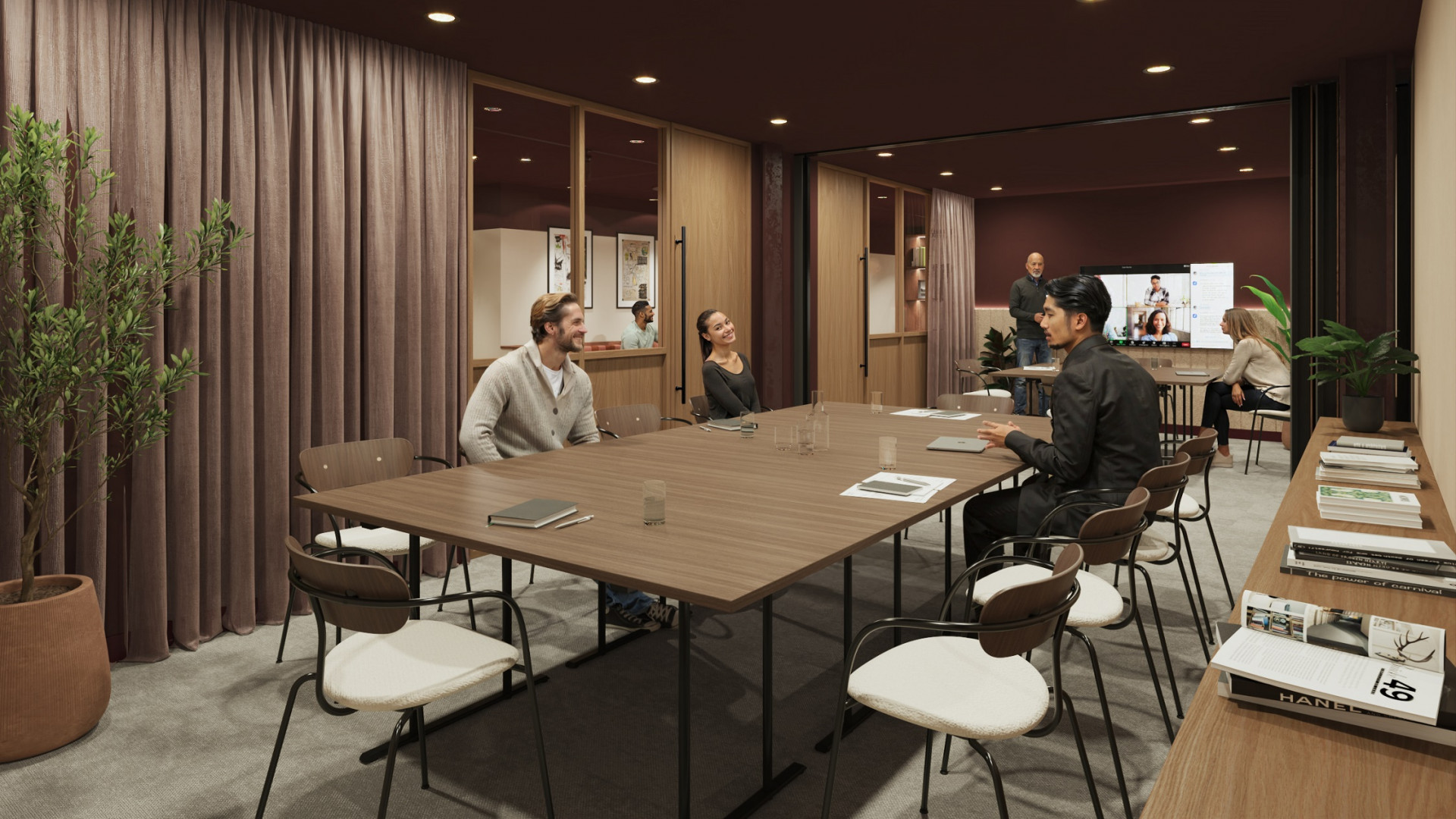
In architectural and interior CGI, everything must align with real dimensions, real materials, real lighting conditions, and real construction constraints. That level of precision cannot come from a prompt alone. Even the most convincing AI-generated interior visuals rely heavily on a professional brief behind the scenes - one that clearly defines layouts, proportions, finishes, lighting, and technical limitations. Creating that kind of brief requires experience and spatial understanding that many users simply don’t have, which is why AI visualisations often look appealing at first glance but fall apart under closer inspection.
The limitations become even more obvious once a project moves beyond a single static idea. Design development is iterative by nature. Layouts change. Materials are swapped. Lighting strategies evolve. Clients request revisions. At this stage, AI tools tend to struggle. They often lose consistency, misinterpret changes, or introduce new inaccuracies, resulting in visuals that are messy, unreliable, and time-consuming to fix. What starts as a shortcut quickly becomes a source of frustration.
There’s also a practical reality that often gets overlooked. High-quality AI tools usually require paid subscriptions, ongoing experimentation, and repeated trial-and-error to reach a usable result. When measured against the time spent correcting inaccuracies or regenerating images, AI is far from “free,” especially in a professional context where deadlines and accountability matter.
AI will undoubtedly play a bigger role in visualisation in the future, but we don’t see it replacing experienced 3D artists anytime soon. Where it shows real promise is as a supporting tool - speeding up certain animation processes, assisting with early ideation, or helping test visual directions. Used correctly, it can enhance workflows. Used without expertise, it’s closer to a high-performance sports car handed to someone without a driving license. The technology is powerful, but without skill and control, the results can easily go wrong.
At Visioaxis, we are gradually integrating AI into specific parts of our visualisation process where it genuinely adds value - mainly to enhance people within our scenes and to experiment with certain video elements. That said, the core of our work still relies on our highly skilled CGI team. Professional visualization is not only about software - it’s about communication, logic, problem-solving, and understanding what a client is trying to achieve. Human judgement, empathy, and experience remain central to delivering visuals that are accurate, reliable, and commercially effective.
That human connection is what our clients value most, and it’s where we believe real leverage lies.
At Visioaxis, we don’t just showcase spaces -
we help our clients communicate design intent with clarity and precision